


A Wakefield, MA couples therapist’s guide to connection outside the therapy office
As a clinician offering relationship support in Wakefield, Massachusetts, I often remind partners that meaningful change doesn’t only happen inside the therapy room. While couples counseling provides structure, insight, and repair, connection is strengthened in everyday moments—through shared experiences that help couples slow down, feel safe, and rediscover one another.
Wakefield, MA and the surrounding North Shore area are uniquely supportive of this kind of relational work. Walkable neighborhoods, access to nature, historic spaces, and proximity to Boston all create opportunities for nervous system regulation and emotional presence—two foundations of healthy relationships and effective relationship therapy.
Below are five fun, emotionally meaningful things for couples to do in and around Wakefield, MA, written through a therapeutic lens to help partners deepen connection while enjoying their local community.
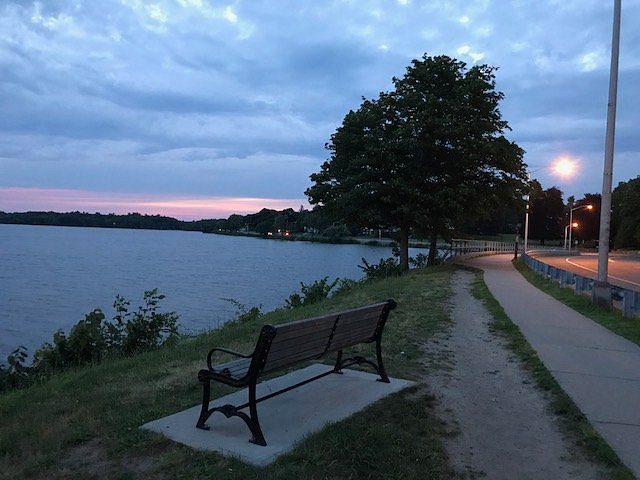
1. Walk Around Lake Quannapowitt to Support Emotional Regulation and Connection
Why couples therapists recommend this:
One of the first goals in couples therapy is helping partners feel regulated enough to actually hear one another. When stress and emotional overload dominate, even well-intentioned communication breaks down.
Lake Quannapowitt in Wakefield, MA offers an ideal space for couples to practice co-regulation. Walking side by side—rather than face-to-face—naturally lowers defensiveness, reduces cortisol, and supports emotional openness.
For couples, this experience supports:
- Nervous system calming through a somatic method
- Gentle conversation without pressure
- Emotional presence without problem-solving
From a couples counseling perspective, walking together often allows more connection than sitting across from one another when tensions are high.
Therapist-supported prompt:
Instead of discussing problems, each partner shares:
- One thing that’s been emotionally heavy lately
- One thing they’ve appreciated about the relationship
No fixing. Just listening.
Local resource:
2. Relationship Build Through Food
Why this matters in relationship therapy:
Cooking together reveals how couples navigate:
- Decision-making
- Stress tolerance
- Control versus collaboration
These same dynamics frequently appear in couples therapy sessions. A shared cooking or food experience offers a low-stakes environment to notice patterns with curiosity rather than criticism.
Wakefield and nearby communities like Melrose, Reading, and Boston offer food-based experiences that allow couples to reconnect through creativity and shared focus. The Wakefield Farmer’s Market, open from mid June to October offers amazing produce that you & your partner can experiment with in the kitchen. There is clinical data that suggests planning dates and engaging in new experiences together (i.e: making a new recipe) creates bonding.
In couples counseling, we look for experiences that promote:
- Mutual reliance
- Playfulness
- Repair after small mistakes
Cooking together naturally encourages all three.
Clinical insight:
If one partner tends to take over or withdraw, noticing this pattern gently—in real time—is relational growth, not failure.
Nearby resources:
3. Bring some friends and plan a Paint Night Party
Why socializing with friends and creating art is a great date idea:
Planning a paint night party together reveals how couples navigate:
- Vulnerability
- Flexibility
- Encouragement versus criticism
In couples therapy, these relational themes show up again and again. A creative date—especially one shared with friends—creates a relaxed, low-pressure setting where these patterns surface naturally.
Organizing a paint night party in Wakefield, MA adds another meaningful layer: shared anticipation. Choosing a date, inviting friends, coordinating schedules, and committing to something new together builds teamwork before the first brushstroke even hits the canvas. You don’t have to be “good at art.” In fact, not being an expert is part of the point. Be silly and ok with being a novice at something, together!
Emotional safety develops when partners feel free to experiment without judgment.
Shared accomplishment happens when you complete something side-by-side.
Positive reinforcement grows when you compliment effort rather than outcome.
Group settings also introduce healthy relational dynamics. With friends present, couples often soften. They laugh more. They become less rigid. Social connection reduces pressure and increases lightness—something many long-term relationships need.
Clinical insight:
If you notice yourself comparing paintings, rushing your partner, disengaging, or over-directing, pause. Those moments are not evidence of incompatibility—they are invitations. Awareness in everyday experiences is often where the deepest relational change begins.
Nearby resources:
4. Explore Art, History, or a Museum to Build Emotional Curiosity
Why couples therapists value art-based experiences:
Art and history allow emotional expression without requiring the “right” words—something many couples struggle with before or during couples therapy.
Visiting a local museum or cultural space allows couples to practice:
- Curiosity instead of correction
- Emotional sharing without debate
- Respect for different internal experiences
This mirrors the core work of couples counseling in Massachusetts: learning to understand your partner’s inner world without trying to change it.
Therapeutic exercise:
Choose one piece or exhibit and ask:
- What do you notice in your body as you take this in?
- What emotion stands out for you?
Listening without interpretation builds emotional safety.
Nearby options:
5. Plan a Quiet Coffee Date or Scenic Drive for Relational Repair
Why low-stimulation experiences support couples therapy:
Relational repair often happens when both partners feel settled enough to soften. Over-stimulating environments can block this process.
A quiet coffee date, scenic drive, or unhurried afternoon nearby offers:
- Shared stillness
- Reduced external demands
- Space for appreciation and gentle repair
Rather than processing everything, couples can focus on brief, sincere moments of connection.
Repair language, I, as a couples therapists encourage:
- “I felt close to you today.”
- “I’m glad we made time for us.”
Small moments of repair build trust more effectively than long problem-solving conversations.
Nearby options:
How These Experiences Support Couples Therapy in Wakefield, MA
Many couples believe they need better communication skills when what they truly need is felt safety and connection. These experiences help couples:
- Regulate together
- Build positive shared memories
- Practice emotional presence
When combined with couples counseling, these moments reinforce the work done in session and help integrate change into daily life.
When to Seek Couples Relationship Therapy
If you and your partner notice:
- Recurring conflict that doesn’t resolve
- Emotional distance or resentment
- Difficulty rebuilding trust after rupture
Shared experiences can support healing, but couples therapy in Wakefield, MA provides guidance, containment, and deeper emotional work when patterns feel stuck.
A skilled couples therapist helps partners move beyond surface communication into emotional understanding, attachment repair, and relational safety.
A Final Word from a Couples Therapist in Wakefield, MA
Connection doesn’t require extravagant plans. It requires slowing down, paying attention, and choosing one another intentionally.
Wakefield, Massachusetts offers countless opportunities for couples to reconnect—through nature, creativity, and quiet presence. When paired with compassionate relationship therapy, these experiences can become meaningful steps toward lasting change.