


Why Do You Struggle So Much with Reactivity?
A Trauma-Informed Guide to Understanding Emotional Reactivity and Nervous System Healing
If your reactions feel bigger than the moment…
If you think, “Why did I respond like that?” after the fact…
If calming down feels harder than it “should”…
There’s a real reason.
Your brain isn’t malfunctioning.
Your nervous system is protecting you.
Trauma-informed therapy for reactivity helps explain why your responses feel automatic—and how to gently change them without shame.
Why Your Reactions Feel So Fast (and Hard to Control)
Have you ever noticed:
- You react before you can think
- You understand your triggers—but still feel overwhelmed
- Logic doesn’t stop the emotional surge
That’s because reactions don’t start in your thinking brain.
They begin in your nervous system.
Even when you “know better,” your body may still respond automatically because understanding and reacting happen in different systems.
Your Brain Isn't Ovverreacting- It's Responding to Perceived Threat
Your brain’s primary job is survival—not logic, not happiness.
It constantly scans your environment for danger, often outside of your awareness.
When something feels unsafe (even subtly), your nervous system activates instantly:
- Fight (anger, defensiveness)
- Flight (anxiety, avoidance)
- Freeze (shutdown, numbness)
- Fawn (people-pleasing
Trauma and the Reactive Brain: What’s Really Happening
Trauma reshapes how your brain and body communicate.
It changes three key areas:
- The Amygdala (Your Alarm System)
Becomes overactive and scans for danger constantly.
- The Prefrontal Cortex (Your Thinking Brain)
Goes offline during stress, making it harder to regulate emotions.
- The Nervous System
Stays stuck in survival states—even when you’re safe.
This is why:
- Small things feel overwhelming
- You feel “on edge” for no clear reason
- Your reactions don’t match the situation
Trauma literally rewires your brain for protection.
Trauma Lives in the Body—Not Just the Mind
One of the biggest shifts in trauma-informed therapy is this:
Trauma is not just a memory. It’s a body experience.
Your nervous system stores patterns of:
- Hypervigilance
- Shutdown
- Emotional overwhelm
Even years later, your body can react as if the threat is still present.
That’s why talk therapy alone sometimes isn’t enough.
.
The Nervous System and Reactivity (Polyvagal Perspective)
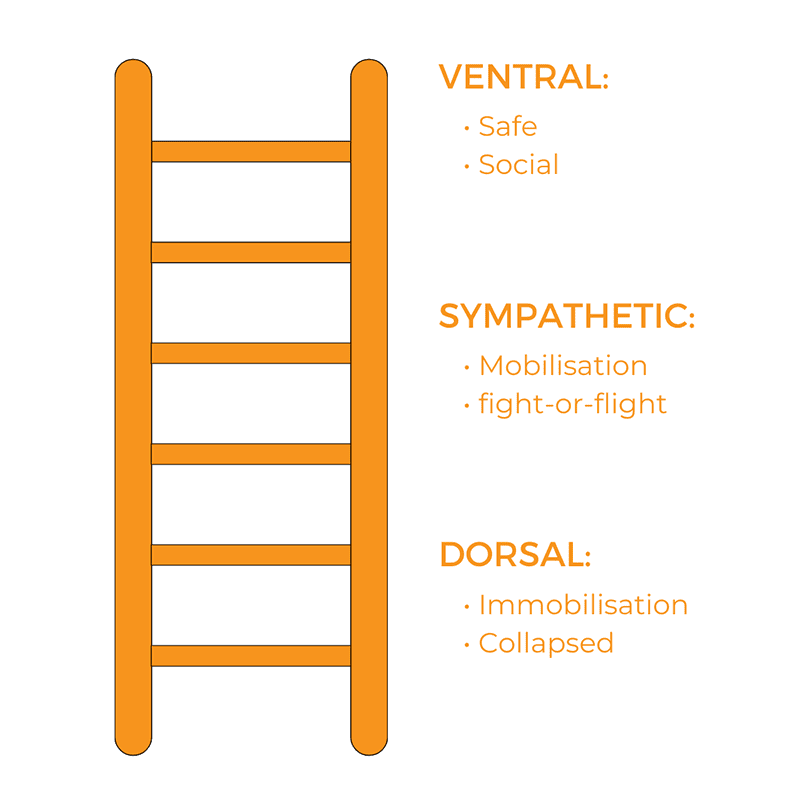
Polyvagal and nervous system therapy explain reactivity through three states:
- Safe & Connected (Ventral Vagal)
- Calm, grounded, present
- Able to think and connect
- Activated (Sympathetic)
- Anxious, reactive, overwhelmed
- Fight or flight responses
- Shutdown (Dorsal Vagal)
- Numb, disconnected
- Freeze or collapse
When you feel reactive, your system is likely stuck in activation or shutdown, not safety.
The "Window of Tolerance": Why You Flip Between States
Your nervous system has a range where you can function well—called your window of tolerance.
Inside the window:
- You feel emotions without overwhelm
- You can think clearly
Outside the window:
- Hyperarousal → anxiety, irritability
- Hypoarousal → numbness, shutdown
Healing isn’t about eliminating emotions.
It’s about expanding your capacity to stay within that window.
Why You’re Still Reactive (Even After Self-Awareness)
This is one of the most frustrating experiences:
“I understand my triggers… so why do I still react?”
Because insight doesn’t equal regulation.
You can:
- Journal
- Reflect
- Analyze your past
…and still feel hijacked in the moment.
That’s because reactivity is stored in the nervous system—not just your thoughts.
Effective Therapy Approaches for Reactive Patterns
Trauma-informed care integrates both top-down (thinking) and bottom-up (body) healing.
Bottom-Up (Nervous System Therapy)
These help your body feel safe again.
Top-Down (Cognitive Therapy)
- Cognitive Behavioral Therapy (CBT)
- Internal Family Systems (IFS)
These help you understand patterns—but aren’t enough on their own.
Healing works best when both are combined.
Signs Your Nervous System is Driving Reactivity
You might be experiencing nervous system dysregulation if you notice:
- Overreacting to small stressors
- Difficulty calming down
- Feeling constantly tense or on edge
- Emotional numbness or shutdown
- Cycling between anxiety and exhaustion
These are signs your system is stuck in survival mode.
How to Start Calming a Reactive Brain
Healing reactivity doesn’t start with “thinking differently.”
It starts with helping your body feel safe.
- Focus on the Body First
- Notice tension, breath, posture
- Bring awareness without judgment
- Use Breath to Signal Safety
Longer exhales help deactivate stress responses.
- Ground Yourself in the Present
- Look around and name objects
- Feel your feet on the floor
- Practice Co-Regulation
Safe, calm relationships help reset your nervous system.
- Work With a Trauma-Informed Therapist
Especially one trained in:
- Nervous system therapy
- EMDR
- Somatic approaches
A Compassionate Truth about Reactivity
Reactivity often carries shame:
- “I’m too sensitive”
- “I overreact”
- “I should be better by now”
But here’s the truth:
Your brain learned these responses to protect you.
They worked. Now they just need updating.
Can You Actually Change a Reactive Brain?
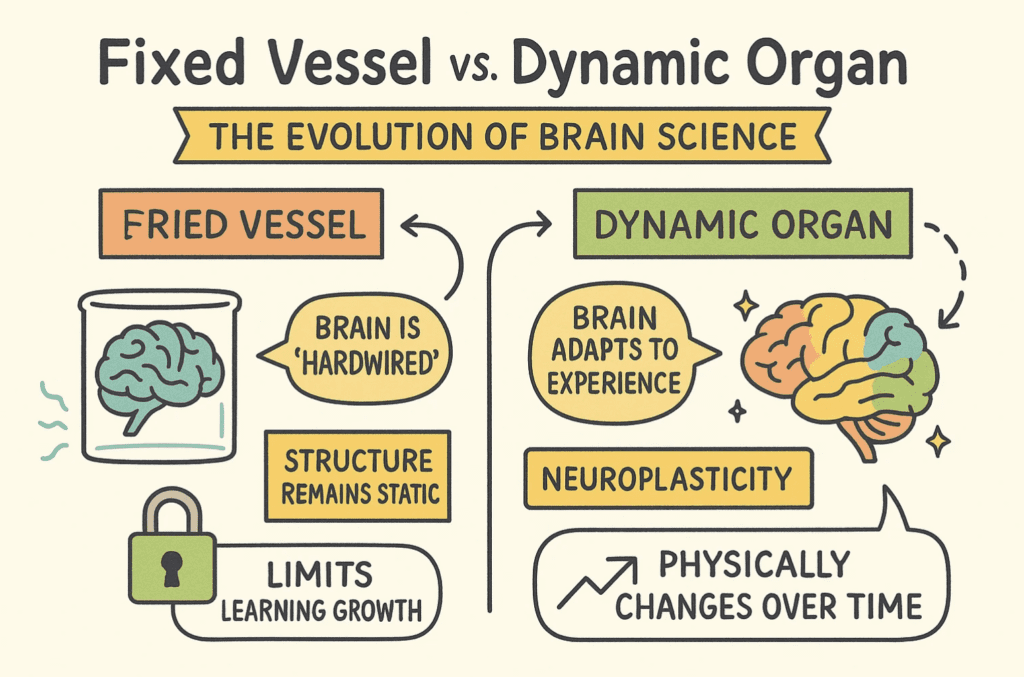
Yes—through neuroplasticity.
Your brain and nervous system can:
- Learn new safety cues
- Reduce trigger intensity
- Recover faster from stress
But change happens through repetition—not force. Please be sure to bring in a self-compassionate approach, any way you can.
Your nervous system doesn’t need pressure.
It needs consistent signals of safety.
Healing Is About Regulation, Not Perfection
The goal is not to:
- Never feel triggered
- Eliminate emotional reactions
The goal is to:
- Understand your responses
- Stay present during activation
- Return to calm more easily
That’s what trauma-informed therapy for reactivity truly offers.
Final Thoughts: Your Brain is Protecting You
If your brain feels reactive, it’s not broken.
It adapted.
It learned to:
- Detect danger quickly
- Protect you automatically
- Keep you safe at all costs
Now, with the help of trauma-informed therapy and nervous system healing, you can teach it something new:
That you are safe enough to respond—not just react.